
America’s Best Franchises (ABF) Brand Insight —
Coworking carries baggage from the urban boom-and-bust, and Office Evolution’s answer is to operate somewhere else entirely. Suburban locations mean cheaper real estate, less competition from the large chains, and members who are established local businesses rather than transient freelancers. That changes the revenue profile from transactional to contractual. The single-employee, semi-absentee structure only works because of that stability — recurring memberships, not daily desk rentals, are what let an owner manage the manager.
At a Glance
- Liquid Capital Required: $300,000 — readily available cash or cash-equivalent assets — not from borrowing, selling a primary residence, or relying on future income
- Ownership Model: Semi-absentee
- Location Type: Commercial office suite
- Time Commitment: Part-time oversight
- Experience Required: No industry experience required
About Office Evolution
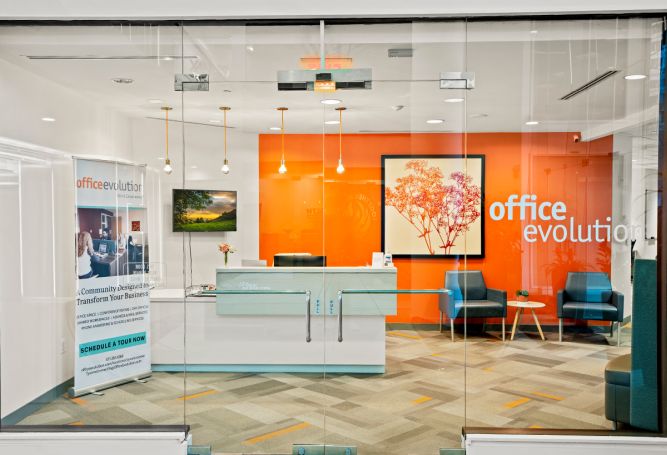
Office Evolution opened its first location in 2003 and began franchising in 2012, building flexible workspace around suburban markets rather than downtown cores, where most competitors concentrate. Members rent private offices, coworking desks, meeting rooms, and virtual office services under recurring monthly agreements.
The system has grown to more than 85 locations across four countries and operates as part of United Franchise Group’s CoWorks division. Locations serve established local businesses and professionals who want a workspace close to home rather than a commute into the city.
Why Own an Office Evolution Franchise?
- Membership agreements generate recurring monthly revenue rather than the daily transactions most retail concepts depend on.
- A single salaried employee runs the location day to day, which keeps payroll simple and hiring pressure low.
- Suburban real estate costs less than urban coworking space and draws far less competition from national chains.
- Four revenue lines — private offices, coworking, meeting rooms, and virtual services — diversify income within one location.
- B2B members sign longer commitments than consumers, so turnover is lower and forecasting is more reliable.
Why This Opportunity, Why Now
ABF Market Analysis —
Hybrid work settled into permanence rather than reversing, and that changed where office demand lives. Employees who split their week between home and office increasingly want somewhere professional near where they live, not a commute into a downtown tower. Meanwhile the companies that once anchored urban coworking have retrenched, leaving suburban markets underserved. Commercial real estate research points toward flexible space claiming a far larger share of total office inventory by the end of this decade.
ABF Timing Insight —
Office Evolution has been operating this model since 2003, which means it was doing suburban flexible workspace well before hybrid work made the idea obvious. That history matters in a category where several high-profile operators expanded fast and then contracted. With 85-plus locations, most suburban markets remain unclaimed, and the brand now sits inside United Franchise Group with the infrastructure that brings. For a semi-absentee investor, the combination of proven model and open territory is the argument.
Training & Support
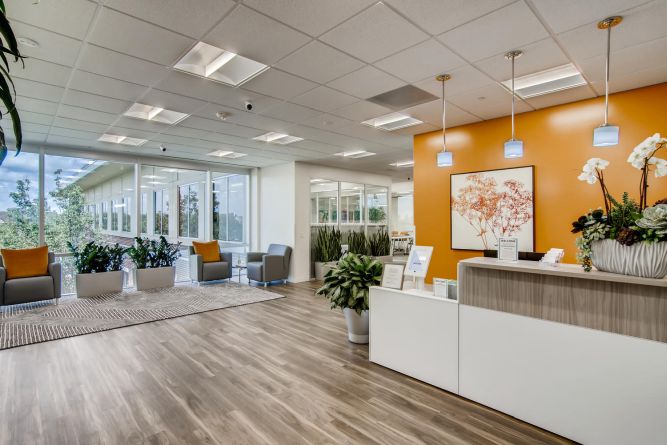
- Initial training runs one week at Office Evolution’s world headquarters, covering operations, sales, marketing, and member management before you take responsibility for a location.
- Two additional weeks of training and setup happen on site at your own location, so the team is in place when doors open.
- Site selection and lease negotiation assistance apply throughout, which matters when the lease is the single largest commitment in this model.
- Financial assistance is available and cooperative advertising is provided, along with marketing systems designed to fill memberships in a local suburban market.
- Support continues through United Franchise Group’s CoWorks division, giving owners access to resources larger than a standalone franchisor of this size could provide.
Our Ideal Franchisee Candidate
- Executives leaving corporate roles for business ownership
- Existing multi-unit franchise owners adding a semi-absentee asset
- Comfortable managing a manager rather than daily operations
- Backgrounds in hospitality, fitness, or commercial real estate
- Connected locally and willing to network for members
Who Is Not A Good Fit
- Buyers without the liquidity to carry a long-term commercial lease
- Anyone wanting a fully passive investment with no owner involvement
- Owners uncomfortable delegating daily operations to a single manager
- Candidates expecting quick returns before memberships build toward capacity
- People unwilling to network locally to generate business memberships
Frequently Asked Questions
Q: What does semi-absentee ownership actually mean here?
A: You hire and manage one salaried manager who runs the location day to day. Your role is oversight — reviewing performance, occasionally giving tours, and signing up new members. It is not fully passive. Expect regular involvement, but not a daily shift.
Q: How is this different from urban coworking brands?
A: Suburban locations serve established local businesses and professionals rather than freelancers and startups. That means longer commitments, lower turnover, cheaper real estate, and less competition from the large national chains concentrated in city centers.
Q: Why does the investment range vary so widely?
A: Location size and market drive the difference. Square footage, buildout scope, and local real estate costs vary considerably between markets. Work through the specific numbers for your target market with the franchise development team before making assumptions.
Q: Does the franchisor disclose financial performance information?
A: Yes. The Franchise Disclosure Document includes an Item 19 financial performance representation. Review it with an accountant, and pair it with validation calls to owners in markets comparable to yours.
Q: How important is the leadership team when choosing a franchise?
A: Very important. A proven model matters, but the people leading the brand matter too. During due diligence, spend time with leadership and operations—not just franchise development—and ask how they prioritize franchisee profitability, support, and long-term brand health.
Next Steps
If you are drawn to a business built on recurring membership revenue, professional B2B members rather than walk-in traffic, a single-employee operating model, oversight rather than daily operations, and a suburban market the large chains have overlooked, Office Evolution is worth a direct conversation. Complete the form below to request a qualification review and discuss territory availability for Office Evolution.
This profile represents general franchise information. Individual results may vary. Refer to the Franchise Disclosure Document for complete details.