America’s Best Franchises (ABF) Brand Insight —
Griswold was the first non-medical home care franchise in the country, and after four decades the model is unglamorous and well understood: you hire caregivers, you build referral relationships with rehab facilities and independent living communities, and clients stay for months or years. The work is people management and local relationships, not healthcare. An office is required; the care happens in clients’ homes. There are 215 franchised locations, and semi-passive ownership is available.
At a Glance
- Liquid Capital Required: $75,000 (readily available cash or cash-equivalent assets — not from borrowing, selling a primary residence, or relying on future income)
- Ownership Model: Owner-operator or semi-passive
- Location Type: Office; care delivered in clients’ homes
- Time Commitment: Full-time, particularly in the early stages
- Experience Required: None in home care; leadership and people management essential
About the Griswold Franchise
Griswold started in 1982 and franchised its first location in 1984, making it the first non-medical home care franchise in the United States. The system now runs 215 franchised locations plus five company-owned across roughly 30 states. Home Care Pulse has recognized it four years running.
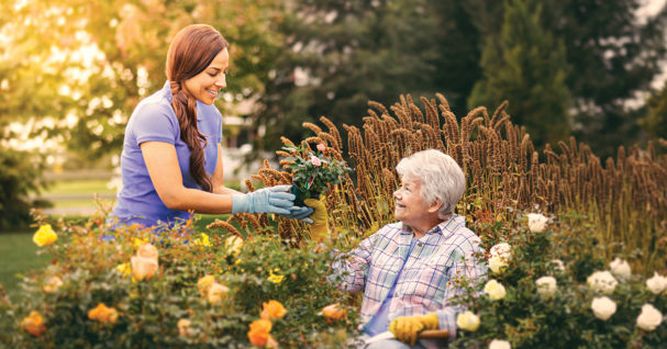
Caregivers provide personal care, companionship and mobility assistance to seniors, adults with disabilities, people living alone, and those recovering from hospital or nursing home stays. Owners hire and manage the caregivers and build the referral relationships that bring clients in.

Why Franchise With Griswold?
- Four decades as the category’s first mover, with brand recognition newer home care concepts have to build from scratch.
- Large protected territories, so owners have room to grow without running into another Griswold.
- Clients stay for months or years, so revenue recurs rather than being resold each time.
- No retail buildout — an office and a team, with the care delivered in clients’ homes.
- SBA approved, and veterans receive 20% off the initial franchise fee.
- Semi-passive ownership is supported alongside the full-time operator model, and multi-unit deals are welcomed.
Why This Opportunity, Why Now
ABF Market Analysis —
The demographics behind home care are not a forecast, they are already here. Ten thousand Americans turn 65 every day, and the overwhelming majority intend to stay in their own homes rather than move into assisted living. The cost gap pushes the same direction — in-home care for a few hours a day costs a fraction of a facility, so families choose it even when money is tight. Demand is also non-discretionary. A family does not postpone care for a parent who cannot manage stairs because the economy slowed.
ABF Timing Insight —
Home care is crowded with newer brands, which makes a four-decade track record worth something at validation time — a candidate can call owners who have run this through several economic cycles. Griswold still has open territory. The constraint in this business has never been demand; it is finding and keeping caregivers, which is where the brand’s recruiting support and systems matter most.
Training and Support
- A dedicated launch support specialist takes owners from signing through opening day.
- Home Care Academy runs ten days — the first week online and virtual from your own office, the second in person at headquarters in Blue Bell, Pennsylvania.
- Coursework covers building a referral base, recruiting caregivers, managing client relationships, and building a marketing plan, with time in every corporate department.
- A dedicated relationship manager supports operations, marketing, compliance, sales and finance after launch.
- Griswold University provides online modules, content libraries, downloadable templates and ongoing webinars at no cost to franchisees or their teams.

Who Are We Looking For
- A proven track record of leadership
- Relationship builders comfortable working referral sources
- High degree of empathy and a good cultural fit
- Mission-oriented but business-minded
- All professional backgrounds welcome
Who Is Not A Good Fit
- Owners unwilling to recruit and retain caregivers, which is the hardest ongoing work in home care and the thing that limits growth
- Anyone uncomfortable with cold calls and in-person marketing visits to rehab facilities, senior communities and other referral sources
Frequently Asked Questions
Q: Do I need home care experience?
A: No. Leadership and people management matter more. Training covers operations, compliance, caregiver recruitment, and building a referral base.
Q: What does a typical day look like?
A: A morning team meeting, caregiver interviews and orientations, client intakes and home visits, marketing visits to referral sources, and scheduling and case notes in ClearCare. The work splits between managing people and building relationships.
Q: Can this be run semi-passively?
A: Griswold accepts both day-to-day operators and semi-passive owners. Either way the owner oversees or manages the business, and full-time involvement is expected early on.
Next Steps
If you are drawn to a category where demand is not optional, clients who stay for months or years, a forty-year name in a field full of newcomers, and an office-based business with no retail buildout, Griswold Home Care is worth a direct conversation. We recommend reviewing the Franchise Disclosure Document and speaking with existing owners as part of your due diligence. Complete the form below to request a qualification review and discuss territory availability for Griswold Home Care.
This profile represents general franchise information. Individual results may vary. Refer to the Franchise Disclosure Document for complete details.
Griswold Franchise
“Griswold Home Care is a big believer in the idea that if you do the right thing, then success will come. I apply this philosophy to my business, and we have been growing significantly every year since we started.”
“Other brands would tell me how great the margins were, but when I got on the phone with Griswold, they were the only ones who said anything about care. They remembered that the end product was care to seniors.”