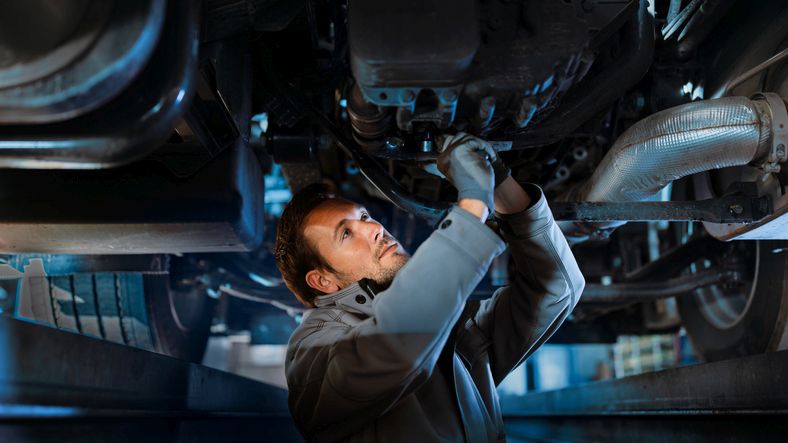
If you’re looking at franchise ownership right now, you’ve probably noticed a clear pattern: the most attractive opportunities tend to sit in industries people rely on year-round. Auto care fits that description. Drivers can postpone a vacation or skip a home upgrade, but they can’t ignore worn tires, squeaking brakes, warning lights, or a car that won’t start.
That steady need is one reason automotive repair franchises are getting more attention from first-time buyers and experienced operators alike. The category can offer recurring demand, a proven operating framework, and room to scale, especially for owners who want a business that’s rooted in real-world necessity rather than trends. Below is a practical look at what’s driving interest in franchise auto care today, and what to evaluate if you’re considering an investment.
Strong Demand For Maintenance Keeps Revenue Potential High
Auto care is built on repeat services. Oil changes, alignments, brakes, batteries, and general maintenance create a steady cycle of customer visits. Even when drivers try to stretch their budgets, they still need safe, reliable vehicles to get through daily life.
Another factor is vehicle age. When cars stay on the road longer, the need for service typically increases. S&P Global Mobility reported the average age of U.S. light vehicles reached 12.8 years in 2025, which supports continued opportunity in the service and aftermarket space.
For franchise owners, that can translate into a customer base that needs both routine and higher-value services over time. It can also mean your business is not dependent on one season, one product, or one type of customer.
Proven Business Models Can Reduce Early-Stage Risk
Starting any business involves risk.
The difference with franchising is that you’re buying into a system that has already been tested, refined, and standardized across multiple locations. In auto care, that structure matters because operations have a lot of moving parts: staffing, scheduling, service workflows, customer communication, inventory, equipment, and vendor relationships.
A strong franchise model can help reduce uncertainty by providing:
- Operating procedures that support consistency and quality.
- Training programs for owners, managers, and teams.
- Marketing guidance and brand standards.
- Support systems for pricing, promotions, and day-to-day decisions.
Instead of figuring out everything from scratch, owners can focus on executing a playbook that’s designed to work across markets. That can shorten the learning curve, especially for entrepreneurs who are new to the category.
Scalable Operations Support Strategic Growth
Many entrepreneurs do not just want a single location. They want a path to growth. Auto service can support that goal when the business has repeatable systems and clear performance levers.
Scalability often comes down to how well the model supports:
- Hiring and training team members consistently.
- Standardizing service workflow across bays and locations.
- Managing inventory and vendor ordering efficiently.
- Building local reputation through service quality and community presence.
When these pieces are in place, owners can grow in a way that’s intentional, not chaotic. They can improve one location’s performance first, then expand once operations feel predictable.
This matters because scaling too fast can create stress. A franchise structure can help owners expand while keeping customer experience, service quality, and operational standards aligned.
Technology Upgrades are Creating New Service Opportunities
Modern vehicles are more complex than they were a decade ago. That creates a growing need for shops that can handle diagnostics, electronic systems, and increasingly sophisticated maintenance requirements.
From an investment perspective, technology can matter in two ways.
First, it can increase customer demand for qualified, well-equipped service providers. Many drivers want a shop that can explain what’s happening without “mechanic-talk,” provide clear recommendations, and help them make confident decisions.
Second, technology can improve efficiency and profitability when used well.
Digital inspection tools, customer approval workflows, and better scheduling systems can create smoother operations and stronger customer trust. When customers understand what the shop is seeing and why a service is recommended, approvals can feel more straightforward, and relationships can become long-term.
For franchise owners, the advantage is often access to training, buying power, and systems that support these upgrades. That can help a location stay current as the industry evolves.
Customers Still Need Auto Care During Downturns
Some industries feel every shift in consumer confidence. Auto care tends to be more stable because the need is practical. People need transportation for work, school, family obligations, and daily life. When budgets tighten, drivers often keep vehicles longer and look for trusted service that helps protect the investment they already have.
This is one reason auto service is often described as recession-resilient.
It does not mean every quarter is easy. It means the fundamental need for maintenance and repair stays present, and customers still seek solutions. For owners, that stability can support long-term planning. It can also make it easier to build a business that relies on repeat customers, referrals, and local reputation, rather than constant demand generation.
What to Look For if You’re Evaluating a Franchise
If you’re considering an auto care investment, focus on the fundamentals.
A “smart” franchise opportunity is not only about the brand. It’s also about operational fit, training, support, and local market dynamics.
Here are a few practical questions that can help you evaluate:
1) What Services Drive Repeat Visits?
Look for a model built around recurring customer needs. Routine maintenance can create repeat relationships and steady scheduling.
2) What Training and Support are Included?
Make sure training covers operations, customer experience, hiring, marketing, and financial basics. Ongoing support can matter just as much as the initial onboarding.
3) How Does the Brand Support Efficiency?
Ask about workflow systems, scheduling tools, customer updates, inspection processes, and service consistency. Efficient operations can protect margins and customer satisfaction.
4) What Does Scaling Look Like?
If you want multi-unit ownership, ask what support exists for expansion, staffing, and operational consistency across locations.
5) How Strong is the Local Opportunity?
Research the market. Look at vehicle density, commuting patterns, competitor reviews, and whether the area has underserved demand for trusted automotive service.
Why This Category Can Make Sense Right Now
If you zoom out, the appeal is straightforward. Auto care is an essential, repeat-driven category.
A franchise structure can add training, proven systems, and a clearer path to scale. Technology and vehicle complexity can also increase demand for well-equipped service centers. On top of that, customers still need maintenance regardless of the economy.
That combination is why many investors view automotive repair franchises as a practical, stability-focused option in today’s market.
A Growth-Oriented Category With Real-World Demand
The smartest investments tend to sit where demand is steady, and the business model is built for repeat relationships. Auto service checks both boxes. Visit the Automotive Repair franchise category and find a brand that appeals to you.
Strong customer need, proven operating frameworks, scalable potential, and expanding service opportunities can make this category a compelling place to explore. If franchise ownership is your next step, automotive service can offer a grounded path forward. The key is choosing a model with strong support, clear systems, and a customer experience that builds trust over time.