America’s Best Franchises (ABF) Brand Insight —
Most home-care brands compete on the same scarce labor pool and absorb constant turnover. Seniors Helping Seniors took a different structural bet: staff the business with active retirees who want purpose, not just a paycheck. That single design choice reframes the category’s hardest problem — caregiver supply — as a recruiting advantage. For an owner, the model’s durability rests less on demand, which is abundant, and more on executing that distinctive staffing engine well.
At a Glance
- Liquid Capital Required — $100,000 (readily available cash or cash-equivalent assets — not from borrowing, selling a primary residence, or relying on future income)
- Ownership Model — Owner-operator or manager-run
- Location Type — Home-based
- Time Commitment — Full-time owner involvement expected
- Experience Required — None; healthcare background not required
About Seniors Helping Seniors
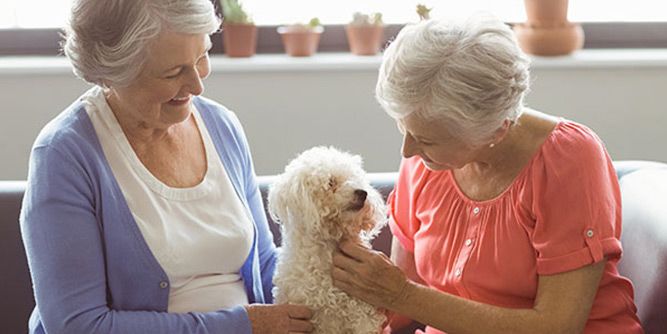
Seniors Helping Seniors was founded in 1998 by Philip and Kiran Yocom in Reading, Pennsylvania. Kiran drew on her work alongside Mother Teresa in India; Philip brought the business framework. Together they built a model that hires active seniors to support peers who want to remain independent at home.
The brand began franchising in 2006 and now operates roughly 400 territories across the United States and abroad. Its 360 program expanded services from companionship and non-medical help into personal care and specialty support, including dementia care, giving owners several connected revenue streams within one system.
Why Own A Seniors Helping Seniors Franchise?
- A senior-to-senior staffing model delivers caregiver retention competitors struggle to match, easing the sector’s worst operating headache.
- Multiple service lines through the 360 program let one location serve clients across changing levels of need.
- Home-based operation keeps fixed overhead low, with no storefront, costly build-out, or retail lease to carry.
- A published Item 19 gives candidates real revenue figures to study before committing, not vague projections.
- Recruiting and cooperative advertising support help new owners build a caregiver roster and local pipeline faster.
ABF Advisory Perspective
ABF Market Analysis —
The non-medical home care category sits on a durable demographic tailwind: the U.S. population over 65 keeps climbing toward an estimated 80 million by 2040, and most seniors prefer to age at home. That demand is rarely the constraint in this business. The harder variable is labor — recruiting and keeping dependable caregivers. Brands that solve staffing tend to outlast those that simply chase referrals, which is where this model’s design becomes commercially relevant rather than merely heartwarming.
ABF Timing Insight —
Caregiver shortages have intensified across the senior care sector, making retention a defining competitive edge rather than a back-office detail. A model built to attract older workers seeking purpose-driven second careers speaks directly to that gap. At the same time, families increasingly favor in-home arrangements over facilities, and payers continue shifting toward home settings. For a prospective owner, the concept’s relevance is rising precisely because the staffing problem it addresses is getting harder for everyone else.

Training & Support
- New owners complete a structured onboarding that blends classroom instruction, hands-on learning, and mentorship from experienced franchisees, building the operational foundation before the first client is served.
- Ongoing operational support covers business planning, caregiver recruitment, and compliance, giving owners a clear framework for managing both staffing and day-to-day service delivery.
- A full marketing team supplies branding materials, tests growth strategies, and advises on local promotion, while cooperative advertising helps owners extend reach beyond their own budgets.
- Technology platforms streamline scheduling, billing, and communication, helping owners coordinate caregivers and clients efficiently as the business grows across multiple territories.
- Recruiting assistance helps owners build their caregiver roster, addressing the single most important operational task in a business where staffing quality drives client satisfaction.
Our Ideal Franchisee Candidate
- Passionate about helping others and serving the local community
- Comfortable building relationships with clients, families, and caregivers alike
- Business-minded, with operations or management experience to lead a team
- Empathetic and nurturing, motivated by meaningful work over a quick return
- Ready to take an active, hands-on role in daily operations
Who Is Not A Good Fit
- Investors seeking a fully passive, hands-off business they can ignore day to day.
- Anyone uncomfortable with hiring, scheduling, and managing a caregiver workforce.
- Buyers focused purely on returns who don’t connect with the mission.
- People wanting a fast, transactional business rather than a relationship-driven one.
- Those unwilling to engage directly with seniors, families, and the local community.
Frequently Asked Questions
Q. How much does a Seniors Helping Seniors franchise cost?
A. The estimated total investment ranges from $94,715 to $154,590, which includes a $55,000 franchise fee. Actual costs vary by territory, staffing, and local market conditions.
Q. Do I need healthcare experience to own one?
A. No. Prior healthcare experience is not required. The brand looks for people with business or management ability who are comfortable building relationships and serving their community.
Q. How does the senior-caring-for-senior model actually work?
A. The franchise hires active older adults as caregivers and matches them with clients by personality and shared interests. That peer relationship is central to the model and is what drives the brand’s well-above-average caregiver retention.
Q. What kind of revenue do franchisees report?
A. The brand reports an average Item 19 of $1,478,764 for franchisees operating its current model. As with any Item 19, results vary widely by owner, territory, and market conditions, so review the full FDD before drawing any conclusions.
Q. Is this a home-based business?
A. Yes. The franchise is designed to run from home, with no retail storefront or build-out required, which keeps fixed overhead low.
Q. Can I run it with a manager instead of full-time?
A. A manager-run structure is possible once the business is established, but the model expects active owner involvement, especially early on. It is not built for fully absentee ownership.
Next Steps
If you are drawn to a mission-driven business with built-in demand, a staffing model that turns retention into an advantage, low home-based overhead, and multiple service lines under one roof, Seniors Helping Seniors is worth a direct conversation. Complete the form below to request a qualification review and discuss territory availability for Seniors Helping Seniors.
This profile represents general franchise information. Individual results may vary. Refer to the Franchise Disclosure Document for complete details.